

If hiring feels slow, most employers assume they’re doing the “right thing”.
- More interviews.
- More approvals.
- More caution.
After all, quality hiring takes time… right?
Not quite.
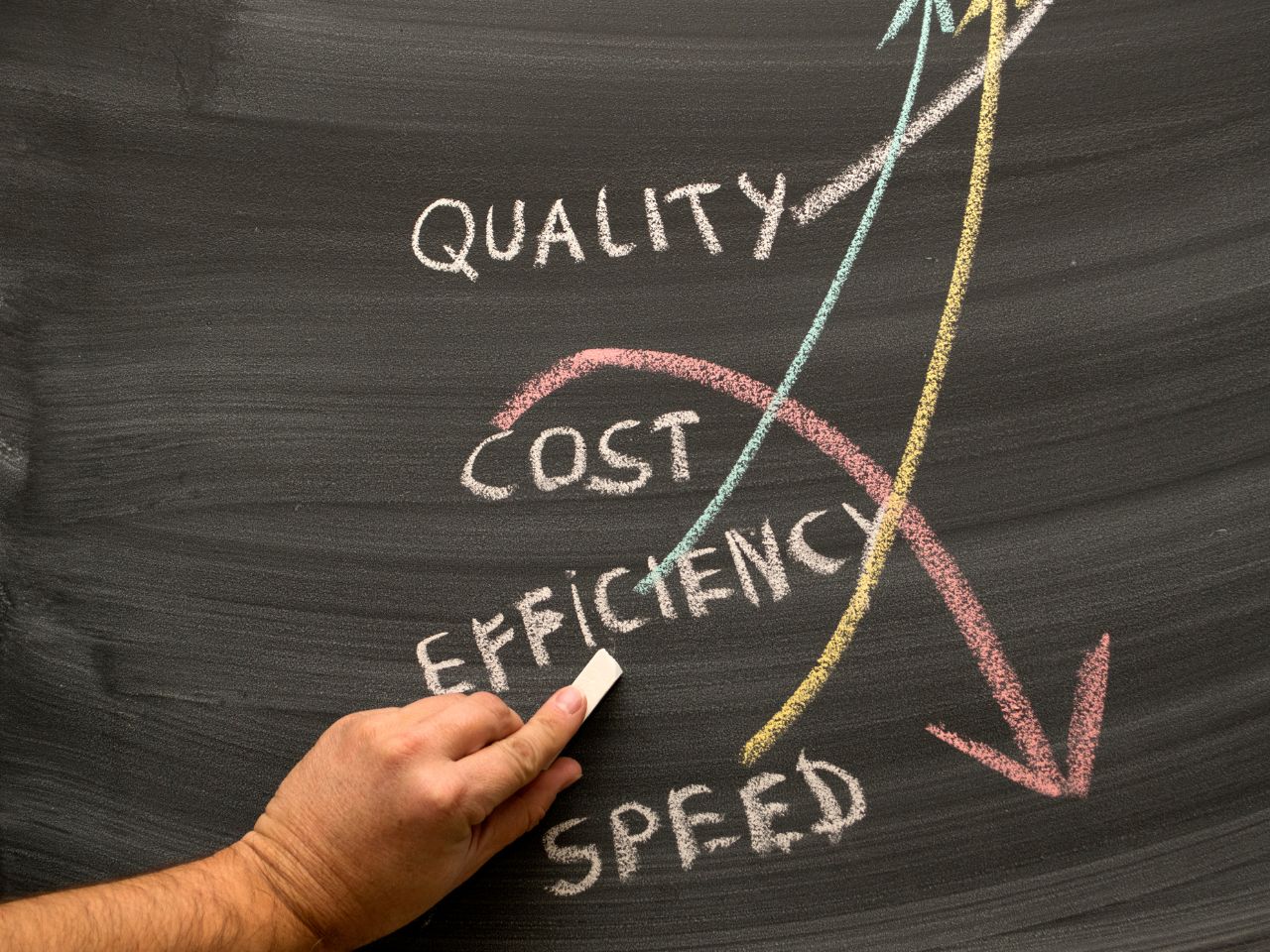
In reality, speed and quality aren’t enemies. The real enemy is friction – unclear processes, delayed decisions, and over-engineered steps that quietly sabotage both.
If you’re serious about starting 2026 strong, it’s time to rethink what quality hiring actually looks like.
Why hiring feels slow (even when talent exists)
Globally, the average time to hire sits between 38–44 days. Many businesses wear that number like a badge of rigour.
But when you dig into delayed hires, the problem is rarely a lack of candidates. It’s usually:
- unclear ownership
- too many decision-makers
- interview feedback that drags on
- fear of making the wrong call
In fact, decision bottlenecks – not sourcing – are the number one cause of hiring delays.
Slow hiring isn’t strategic. It’s usually accidental.
The biggest myth in recruitment: fast means careless
There’s a persistent belief that moving quickly equals lowering the bar.
What employers actually see is the opposite.
Companies with structured hiring processes fill roles up to 40% faster without sacrificing performance or retention. Why? Because structure removes guesswork.
Quality hiring isn’t about slowing down – it’s about knowing exactly what you’re hiring for and who gets to decide.
What quality hiring really means
Quality hiring is not:
- interviewing more people “just in case
- rewriting the job spec mid-process
- waiting for a perfect unicorn
Quality hiring is:
- clear role definition from day one
- agreed success criteria before interviews start
- fewer, better-matched candidates
- fast, decisive feedback
When hiring teams know what “good” looks like, decisions get easier – and faster.
The hidden cost of waiting
Here’s the uncomfortable part.
Every vacant role costs money. Lost productivity. Delayed projects. Overloaded teams. Missed opportunities.
Research shows vacant positions can cost 1–2x the role’s monthly salary in lost output. That’s before burnout and attrition ripple through the team.
Waiting for perfect doesn’t protect your business – it quietly drains it.
Why top candidates don’t wait
Top candidates are typically off the market within 10–14 days.
When your hiring process stretches beyond four weeks:
- candidate drop-off increases by up to 50%
- acceptance rates drop
- your shortlist weakens
Slow processes don’t attract higher quality talent – they narrow your options.
Quality hiring requires speed because great candidates have choices.
Where quality hiring actually accelerates decisions
High-performing hiring teams share a few common traits:
- one clear decision-maker
- structured interviews with defined criteria
- fewer stages with higher signal
- fast feedback loops
These teams don’t rush. They remove friction.
And crucially, faster hiring done well does not correlate with higher attrition when the process is structured.
Speed without structure is risky.
Speed with structure is powerful.
How to launch 2026 with a stronger hiring engine
If hiring felt heavy in 2025, don’t add more steps. Simplify.
Ask yourself:
- Do we know what success looks like in this role?
- Who owns the final decision?
- Are we interviewing for insight or reassurance?
- Are delays helping us hire better – or just helping us delay?
Quality hiring isn’t about choosing speed or rigour. It’s about designing a process that allows both. That’s how you hire better, faster, and stronger in 2026.
About Job Crystal
At Job Crystal, we’re revolutionising recruitment with AI that’s swift and precise. Our mission? To supercharge hiring without compromising the human touch. By fusing cutting-edge tech with transparency and collaboration, we deliver AI-driven solutions that take care of the hard stuff, giving you more time for the parts of hiring a machine just can’t do.
About The Author

Sasha Knott, CEO
With 25+ years in the tech game, spanning Financial Services and E-Commerce, Sasha is a strategic powerhouse and a tech visionary. Always chasing the next big thing in recruitment, she’s the dreamer driving Job Crystal straight into the future – because why follow trends when you can set them?
Recent Posts

Hybrid Recruitment: Why Humans Will Always Matter
Why UK Companies Are Hiring South Africans: Insights from Job Crystal’s CEO

Your Job Description Has Developed Main Character Syndrome (And It’s Scaring Away Great Candidates)

Employer Branding: Why Candidates Drop Off (and How to Stop It)