



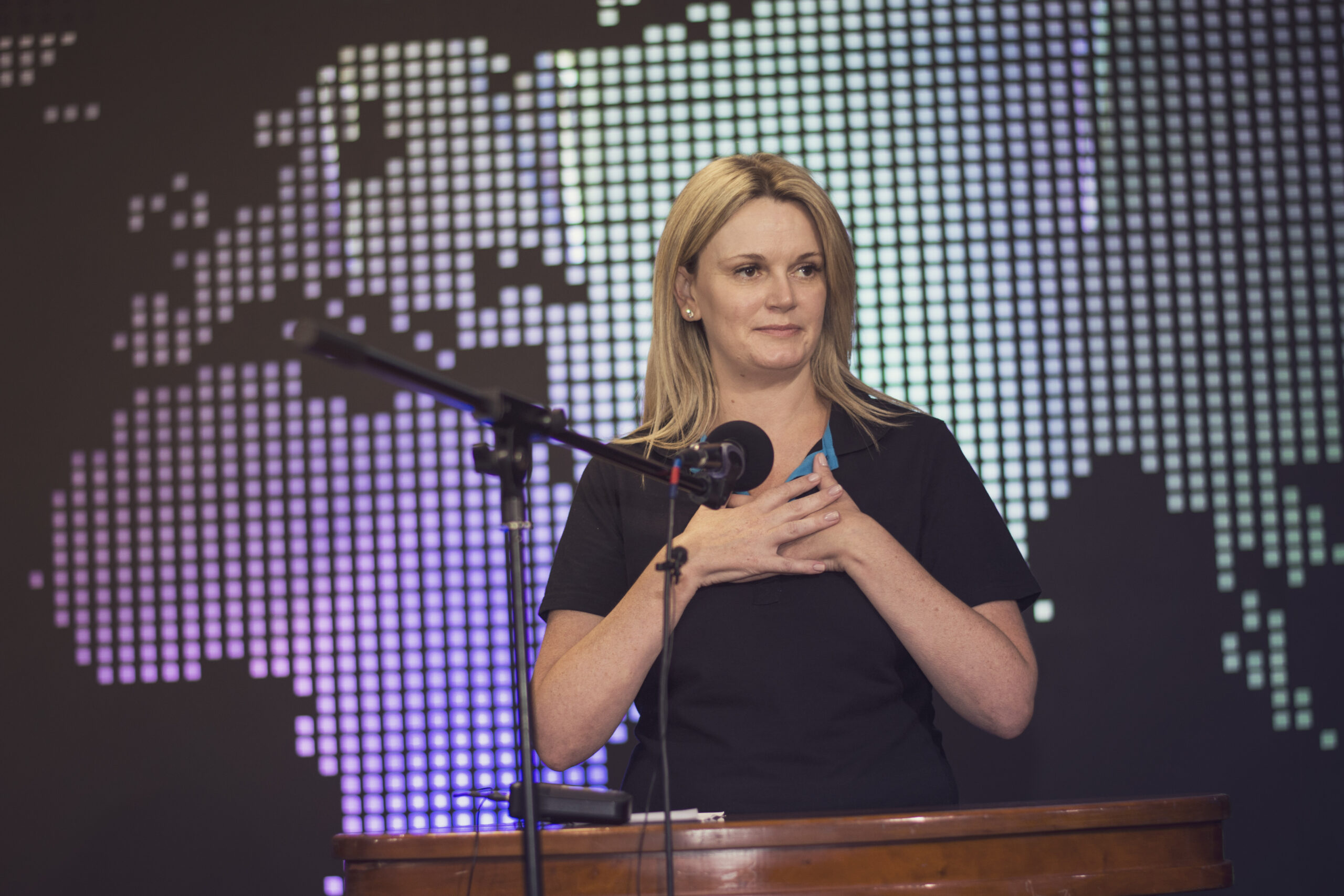
We recently started working with a partner on an extensive social media screening report, and because they needed a real example to show us how it works, they offered to run it on me. I was more than happy to be the guinea pig. My social media and public image have been built mostly around my businesses, the ones I have sold and the ones I am still running. And I have been in the media for those businesses, so I know my profile is out there. We manage it well, so I sat back fully expecting it to come back squeaky clean, and then it didnt.
Then I had the call with our partner, and much to my surprise I was flagged as a risk. It was not for anything I had said about business, politics or a bad day in traffic, but because I post photos of children. Yes, they are my children, but because my image is so public, my kids have now become public too! That is something I had honestly never sat down and thought about properly (or should I say because I thought I dont post them on LinkedIn its fine).
The photo I wish I could take back
The worst part was a beach holiday I posted recently, with my daughter in her bikini, which was a completely innocent family moment that I shared without a second thought. I often post and then go back and edit the privacy settings, but this one slipped through, and I was hugely embarrassed sitting on that call. Every time I hear one of those stories that are every parent’s nightmare, I cringe and think I am fine, and yet there it was, sitting in a report about me.
I have always thought of myself as very careful, as I never post about my children on LinkedIn, and on Facebook I edit the settings on each post (obviously not every post). Instagram is a different story, because you only get public or private, so I made mine private, felt very pleased with myself and then looked at who follows me, only to realise I did not even know some of those people. I post mostly about my company, but I do post about my kids, and the people following me for one are seeing the other.
I also thought I never shared their school badges or anything that could show where they are during the day, until I found a photo of my child proudly holding an award with the school’s name printed right across the top. That was a proper head slap on my forehead moment.
The school forms I used to laugh at
When we immigrated to the UK, I laughed when every form we had to sign for school asked whether they could post photos of our kids online, because it felt like a lot of paperwork for something so small. And then I stopped laughing, because the schools clearly understood something that I, someone who works with people’s personal information every single day, had not applied to my own family. Barclays has estimated that by 2030 “sharenting”, which is parents sharing details about their children online, could account for two thirds of identity fraud facing young people. When you think about names, birthdays, schools and holiday locations all sitting on a profile that strangers can see, it is not hard to understand why.
Then we started talking about CVs
Straight after the call I called my team in to remind them of what I had just learnt, and the conversation very quickly turned to our candidates and how much they share on their CVs. In recruitment we see it every day, from full home addresses, ID and passport numbers and multiple phone numbers, to copies of certificates and even photos of their passport or ID document, all attached to a CV that goes out to so many people.
I completely understand why candidates do it, as they want to be helpful and get ahead of the process, but once a CV leaves your inbox you have no control over who downloads it, who forwards it or which website ends up with a copy. There are some strange people in the world, and while most are good, we all know the horror stories, and scammers are more than happy to advertise a fake job just to collect exactly this kind of information. With your ID number, home address and a copy of your passport, a scammer does not need much more to open accounts in your name, and very often you only find out when the debt collectors start phoning.
What I am doing differently
I have made my personal photos private, and even better, I now share family moments only with a small list of people like granny, the aunts and the uncles, because if I am honest those photos were for them anyway. I am also slowly going back through older posts and looking for the things I missed, like school names, uniforms and places we visit regularly.
For candidates, my advice is to keep your CV to your name, email address, one phone number, the town or city you live in and your experience and qualifications. ID number, passport and certificates should only be shared when a genuine employer or recruiter needs them for a background check or an offer, and always check to know exactly who is asking and why.
In closing
I went into that report expecting a clean result and came out with a lesson I am very grateful to have learnt before something went wrong rather than after. Whether it is a holiday photo of your children or a CV with your passport attached, be crystal clear about who you are sharing it with, because you never really know who ends up seeing it.
FAQs
What is a social media screening report?
What is a social media screening report?
A social media screening report looks at a person’s public online presence, such as their posts, photos, comments and who they’re connected to, to spot anything that could be a risk to them or to an employer. We ran one on me as an example with our partner, and I was surprised by how much it picked up from posts I had completely forgotten about.
Why would posting photos of my children make me a risk?
If your profile is public, or followed by people you don’t actually know, photos of your children can show what they look like, where they go to school, where you go on holiday and their daily routine. For someone with a public profile, your children became public too, simply because they were in the photos I shared.
What personal information should I never put on my CV?
Leave your ID or passport number, a copy of your ID or passport, your full home address, your date of birth and any bank details off your CV. Your name, email address, one phone number, the town or city you live in, and your experience and qualifications are all a recruiter needs to get started.
When should I share my ID or certificates with an employer?
Only share them once you know you are dealing with a genuine employer or recruiter, usually at the offer or background check stage, and ideally through a secure process rather than an open email. If someone asks for your ID before you’ve had an interview or even spoken to them, treat that as a warning sign.
How do scammers use information from CVs?
Scammers sometimes post fake job adverts just to collect CVs, and a CV with your ID number, address and copies of your documents gives them most of what they need to open accounts or apply for credit in your name. Many people only find out when the debt collectors start phoning, which is why keeping your CV lean is one of the simplest ways to protect yourself.
Recent Posts

Beyond the Post and Pray: Modern Talent Sourcing Methods to Supercharge Your Pipeline

21 Job Application Follow-Up Email Templates That Sound Human

The 15% That Makes Your Career AI-Proof: 7 Questions to Answer Before AI Answers Them for You
Your AI is writing the CV. Their AI Rejected It. Welcome to the Recruitment Arms Race.